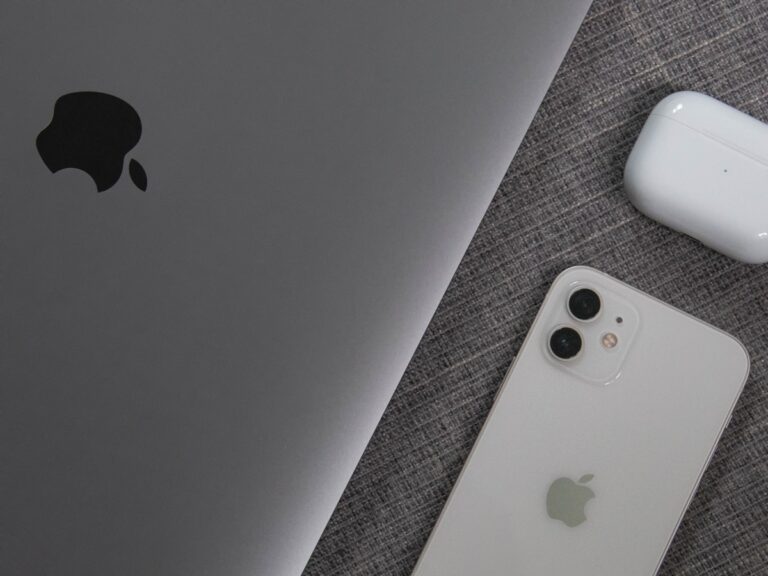

10 Best Laptops for Students in 2026: Budget, Performance and Battery Life Compared
Last updated on
Image: Unsplash
Choosing the best laptop for students depends on more than processing power or price. College and university students need a computer that can handle assignments, research, video lectures, and everyday multitasking while remaining portable enough to carry around campus.
The right laptop also depends on your academic major. Business and humanities students can usually manage with a lightweight laptop, while engineering, architecture, graphic design, and computer science students may need more processing power, memory, or dedicated graphics.
In 2026, student laptops offer better battery efficiency, higher-resolution displays, and more powerful processors than older models. However, not every student needs an expensive laptop or built-in AI features.
This guide compares ten laptops for different student requirements, including five newer models, and explains what to consider before buying.
Key Takeaways
- Follow Up Boss is the top pick for lead follow-up. It starts at $69 per user per month ($58 billed annually), includes texting on every plan and has a 14-day trial, though calling costs $39 extra per user on the Grow plan.
- Free and low-cost options cover solo agents and small teams. HubSpot CRM is free for 2 users, Zoho CRM is free for up to 3, and Bigin by Zoho is free for one user (500 records). Wise Agent covers 5 users for $49 a month ($42 annually).
- Teams that want a website and CRM together should compare Real Geeks and Lofty. Real Geeks is $399 per month plus a $500 setup fee, and Lofty is reported from about $449 per month plus $500 (third-party figure, so confirm in a demo).
- Large brokerages should look at BoldTrail. It’s a full platform with recruiting and back-office tools, but pricing is quote-based, with a reported figure of about $1,099 per month.
- Watch the full cost before you commit. Add-ons, setup fees, free plan limits and promo prices change the total, so trial your top two tools with real leads before buying.
Top 10 Laptops for Students Quick Comparison
| Laptop | Best For | Main Advantage | Main Limitation |
|---|---|---|---|
| Apple MacBook Neo (2026) | Budget-conscious students | Affordable macOS laptop | 8GB memory |
| Apple MacBook Air M5 (2026) | Everyday and creative work | Performance and battery life | Premium pricing |
| Dell XPS 13 (2026) | Business and college students | Lightweight Windows laptop | Limited ports |
| ASUS Zenbook S 14 (2026) | Design and media students | High-resolution OLED display | Expensive configurations |
| Lenovo Chromebook Plus 14 | Online coursework | ChromeOS and long battery life | Limited desktop software compatibility |
| HP Envy x360 14 | Note-taking and presentations | Convertible touchscreen | Configuration-dependent battery life |
| Lenovo Yoga 7i 2-in-1 | Business and medical students | Flexible laptop and tablet modes | Heavier than some ultrabooks |
| Acer Aspire 5 | Budget Windows users | Practical everyday performance | Basic display on some models |
| Microsoft Surface Laptop 7 | Portable productivity | Efficient performance and touchscreen | ARM software compatibility considerations |
| Acer Nitro V 15 | Engineering and gaming | Dedicated graphics options | Weight and battery life |
Specifications vary by model year, processor, region, and configuration. Check the exact model number before purchasing.
1. Apple MacBook Neo (2026): Best Affordable MacBook for Students
Best for: Students who need an affordable laptop for assignments, research, online classes, and everyday productivity.
The Apple MacBook Neo, introduced in March 2026, makes macOS available at a lower starting price than Apple’s MacBook Air range.
Powered by the A18 Pro chip, the MacBook Neo handles everyday activities such as web browsing, document editing, presentations, video calls, and light photo editing.
Its 13-inch Liquid Retina display provides sharp text and detailed images, while the aluminum construction gives it a durable feel. The laptop also features a 1080p camera and a fanless design for quiet operation.
Apple advertises up to 16 hours of battery life, although actual endurance depends on usage.
Key Specifications
- Processor: Apple A18 Pro.
- Display: 13-inch Liquid Retina.
- Memory: 8GB unified memory.
- Storage: 256GB or 512GB SSD.
- Battery: Up to 16 hours, according to Apple.
- Operating system: macOS.
Pros
- Affordable entry into the MacBook lineup.
- Portable and suitable for campus use.
- Sharp display and good everyday performance.
- Quiet, fanless operation.
- Strong battery-life potential.
Cons
- Fixed 8GB memory limits demanding multitasking.
- Not designed for intensive gaming or 3D rendering.
- Limited ports compared with some Windows laptops.
- Memory cannot be upgraded after purchase.
Starting Price: $599 in the US, or $499 with eligible education pricing.
Verdict: The MacBook Neo is a practical option for students who want macOS for everyday coursework without paying for a premium MacBook.
2. Apple MacBook Air M5 (2026): Best Overall Laptop for Students
Best for: College students, content creators, programmers, and users who need a powerful lightweight laptop.
The MacBook Air M5 is a significant upgrade from the older MacBook Air M1 featured in the original article.
Released in March 2026, the MacBook Air M5 offers improved processing performance, greater memory bandwidth, and a starting storage capacity of 512GB.
Available in 13-inch and 15-inch versions, it is suitable for students who regularly switch between research, video calls, spreadsheets, coding environments, and creative applications.
The Liquid Retina display provides detailed visuals, while Apple’s efficient chip design supports long battery life without a cooling fan.
Key Specifications
- Processor: Apple M5.
- Display: 13.6-inch or 15.3-inch Liquid Retina.
- Memory: 16GB unified memory standard, configurable higher.
- Storage: 512GB SSD standard.
- Battery: Up to 18 hours of video playback, according to Apple.
- Operating system: macOS.
Pros
- Strong performance for everyday and creative tasks.
- Long battery life.
- Lightweight and quiet design.
- Sharp display.
- Suitable for many programming and design applications.
Cons
- More expensive than entry-level student laptops.
- No touchscreen.
- Limited built-in ports.
- Some engineering software requires Windows.
Pricing: The 13-inch M5 MacBook Air launched from $1,099 in the US, with eligible education discounts available.
Verdict: The MacBook Air M5 is one of the strongest all-round choices for students who can afford its higher price and whose required software supports macOS.
You may also like: Top 10 Apple Products to Date by Popularity
3. Dell XPS 13 (2026): Best Lightweight Windows Laptop
Best for: Business, finance, humanities, and general college students who prefer Windows.
The 2026 Dell XPS 13 updates the compact XPS laptop featured in the original article.
Dell redesigned the newer model with a lightweight chassis weighing approximately 1kg. It is particularly suitable for students who carry their laptops between lectures, libraries, and study sessions.
The updated XPS 13 includes a touchscreen and backlit keyboard as standard, with configurations offering Intel Core Ultra Series 3 processors.
It also supports modern connectivity, including Wi-Fi 7, and offers memory and storage options for demanding multitasking.
Key Specifications
- Processor: Intel Core Ultra options, depending on configuration.
- Display: 13-inch touchscreen.
- Memory: Configurations up to 32GB.
- Storage: Configurations up to 1TB.
- Connectivity: Wi-Fi 7.
- Operating system: Windows 11.
Pros
- Very lightweight and portable.
- Premium construction.
- Suitable for Windows-based academic software.
- Touchscreen and backlit keyboard.
- Strong productivity capabilities.
Cons
- Limited physical ports.
- Higher-specification models can be expensive.
- Compact design may not suit users who prefer larger displays.
- Performance and battery life depend on configuration.
Pricing: Varies by processor, memory, storage, and region.
Verdict: The Dell XPS 13 is a strong choice for students who want a compact Windows laptop with premium build quality.
4. ASUS Zenbook S 14 (2026): Best for Design and Media Students
Best for: Graphic design, photography, digital media, and students who prioritize display quality.
The ASUS Zenbook S 14 (2026) combines a lightweight chassis with a high-resolution OLED display.
Its available 14-inch 3K OLED screen offers a 120Hz refresh rate and wide color coverage, making it useful for photo editing, digital illustrations, and visual presentations.
The 2026 model uses Intel Core Ultra Series 3 processors and offers modern connectivity features such as Wi-Fi 7.
Despite its compact design, the Zenbook S 14 provides a practical selection of ports, which can be useful for connecting external displays and storage devices.
Key Specifications
- Processor: Up to Intel Core Ultra 9 Series 3.
- Display: Up to 14-inch 3K OLED, 120Hz.
- Memory: Varies by configuration.
- Graphics: Integrated Intel graphics.
- Connectivity: Wi-Fi 7.
- Operating system: Windows 11.
Pros
- High-quality OLED display.
- Lightweight design.
- Strong productivity performance.
- Good connectivity options.
- Suitable for photography and graphic design coursework.
Cons
- Premium configurations are expensive.
- Integrated graphics are less suitable for demanding 3D rendering.
- OLED displays require appropriate care to reduce burn-in risk.
- Specifications differ between model variants.
Pricing: Varies by region and configuration.
Verdict: The ASUS Zenbook S 14 is an attractive choice for creative students who want a premium Windows laptop with an excellent display.
5. Lenovo Chromebook Plus 14: Best for Online Coursework
Best for: Students whose coursework primarily involves browser-based applications, Google Workspace, and online learning platforms.
The Lenovo Chromebook Plus 14, introduced in 2025, is a lightweight ChromeOS laptop designed for productivity and cloud-based applications.
Powered by the MediaTek Kompanio Ultra 910 processor, it offers responsive performance for research, documents, online classes, and everyday multitasking.
Its 14-inch OLED display provides vibrant visuals, while the lightweight design makes it convenient for campus use.
Lenovo advertises up to 17 hours of battery life, depending on configuration and usage.
However, students should check whether their university requires Windows- or macOS-only applications before choosing a Chromebook.
Key Specifications
- Processor: MediaTek Kompanio Ultra 910.
- Display: 14-inch WUXGA OLED.
- Memory: Up to 16GB.
- Storage: Up to 256GB.
- Battery: Up to 17 hours, according to Lenovo.
- Operating system: ChromeOS.
Pros
- Portable and lightweight.
- Long advertised battery life.
- Attractive OLED display.
- Suitable for cloud-based coursework.
- Simple operating system with automatic updates.
Cons
- Cannot natively run many traditional Windows applications.
- Less suitable for specialized engineering software.
- Limited storage compared with some Windows laptops.
- Offline application support varies.
Starting Price: $649 at launch in the US.
Verdict: The Lenovo Chromebook Plus 14 is suitable for students who primarily use online learning tools and do not require specialized desktop software.
6. HP Envy x360 14: Best for Handwritten Notes
Best for: Students who want a touchscreen laptop for note-taking, presentations, and everyday productivity.
The HP Envy x360 remains a useful option for students who prefer the flexibility of a convertible laptop.
Its 360-degree hinge allows the screen to fold into tablet mode, making it convenient for reviewing lecture slides, annotating PDFs, and taking handwritten notes with a compatible stylus.
The 14-inch form factor provides a balance between portability and screen space. Available configurations include modern AMD or Intel processors, depending on the model year.
Key Features
- 360-degree convertible hinge.
- Touchscreen display.
- Stylus support on compatible configurations.
- Windows 11.
- Multiple processor and storage options.
Pros
- Flexible laptop and tablet modes.
- Convenient for digital note-taking.
- Suitable for presentations and video lectures.
- Practical everyday performance.
Cons
- Heavier than a dedicated tablet.
- Stylus may be sold separately.
- Battery life depends on the display and processor.
- Not every configuration is suitable for demanding creative workloads.
Pricing: Depends on model year and configuration.
Verdict: The HP Envy x360 is a practical choice for students who regularly annotate documents or prefer touchscreen interaction.
7. Lenovo Yoga 7i 2-in-1: Best for Business and Medical Students
Best for: Students who need a flexible Windows laptop for research, presentations, and handwritten notes.
The Lenovo Yoga 7i 2-in-1 offers a convertible design that can function as a traditional laptop or tablet.
Its touchscreen and compatible pen support are useful for taking lecture notes, annotating diagrams, and reviewing documents.
Modern configurations provide sufficient performance for office applications, browser-based research, and common academic workloads.
Key Features
- 360-degree convertible design.
- Touchscreen and compatible pen support.
- Intel Core processor options.
- SSD storage.
- Windows 11.
Pros
- Flexible for classroom use.
- Suitable for note-taking and presentations.
- Comfortable keyboard for long assignments.
- Good everyday multitasking potential.
Cons
- More expensive than basic non-touch laptops.
- Larger configurations can be relatively heavy.
- Pen availability varies.
- Not intended for demanding gaming or advanced 3D work.
Pricing: Varies by generation and configuration.
Verdict: The Yoga 7i 2-in-1 is useful for students who want the convenience of a touchscreen without giving up a traditional Windows laptop.
8. Acer Aspire 5: Best Budget Windows Laptop
Best for: Students who need an affordable Windows computer for assignments, spreadsheets, and online classes.
The Acer Aspire 5 family offers practical everyday computing without the premium pricing of flagship laptops.
Depending on the configuration, students can choose processors, memory, and storage capacities suited to their academic needs.
A configuration with 16GB RAM and an SSD is preferable for students who frequently work with multiple browser tabs, office applications, and video meetings.
Key Features
- Intel or AMD processor options.
- Full HD display options.
- SSD storage.
- Windows operating system.
- USB and display connectivity, depending on model.
Pros
- Budget-friendly configurations.
- Suitable for everyday academic tasks.
- Familiar Windows environment.
- Multiple hardware options.
Cons
- Display quality varies.
- Entry-level models may have limited memory.
- Build quality is less premium than higher-priced laptops.
- Battery life varies significantly by configuration.
Pricing: Depends on model year and specifications.
Verdict: Acer Aspire 5 laptops can offer good value for students who prioritize essential Windows functionality over premium design.
9. Microsoft Surface Laptop 7: Best for Portable Productivity
Best for: Students who want a premium touchscreen laptop for writing, research, and long study sessions.
The Microsoft Surface Laptop 7 offers a streamlined design with a touchscreen display and efficient Snapdragon X-series processor options.
Its 3:2 display aspect ratio provides extra vertical space for reading documents, editing spreadsheets, and browsing academic material.
The laptop is well suited to productivity applications, video calls, and general coursework.
However, students should verify compatibility with specialized Windows applications because the Snapdragon versions use ARM architecture.
Key Features
- Snapdragon X-series processor options.
- Touchscreen PixelSense display.
- 13.8-inch and 15-inch versions.
- Windows 11.
- Efficient battery-focused design.
Pros
- Premium construction.
- Touchscreen display.
- Good portability.
- Comfortable for document-heavy coursework.
- Efficient performance for supported applications.
Cons
- ARM compatibility may affect specialized software.
- Premium pricing.
- Limited upgradeability.
- Some accessories cost extra.
Pricing: Varies by configuration and availability.
Verdict: The Surface Laptop 7 is suitable for students who prioritize portability and productivity, provided their required applications support Windows on ARM.
10. Acer Nitro V 15: Best for Engineering and Gaming Students
Best for: Students studying engineering, game development, animation, or other subjects requiring dedicated graphics.
The Acer Nitro V 15 is a gaming-oriented laptop that can also handle certain demanding academic applications.
Unlike lightweight ultrabooks, available configurations include dedicated NVIDIA GeForce RTX graphics, making the Nitro V 15 more appropriate for GPU-intensive workloads.
This can be useful for 3D modeling, game development, video editing, and compatible engineering applications.
However, students should verify the exact GPU, memory, and software certification requirements for programs such as AutoCAD, SOLIDWORKS, or other engineering tools.
Key Features
- Intel or AMD processor options.
- NVIDIA GeForce RTX graphics on selected models.
- 15.6-inch display.
- High-refresh-rate display options.
- Upgradeable components on certain configurations.
Pros
- Dedicated graphics for demanding workloads.
- Suitable for gaming and creative applications.
- Larger display.
- Good performance potential for the price.
Cons
- Heavier than ultraportable laptops.
- Shorter battery life during intensive tasks.
- Fans can become noisy.
- Not every configuration meets professional software requirements.
Pricing: Varies by processor, GPU, memory, and model year.
Verdict: The Acer Nitro V 15 is worth considering for students who need dedicated graphics and can accept additional weight and reduced battery life.
How to Choose the Best Laptop for College or University
A student laptop should match the software requirements of the course, expected workload, and available budget.
1. Choose a Laptop Based on Your Major
Different academic programs require different hardware.
| Academic Major | Recommended Specifications |
|---|---|
| Business and finance | 16GB RAM, 256–512GB SSD, Windows or macOS |
| Humanities and social sciences | 8–16GB RAM, 256GB SSD, lightweight design |
| Computer science | 16GB RAM or more, 512GB SSD, compatible development tools |
| Graphic design and media | 16GB RAM or more, quality display, 512GB SSD |
| Engineering and architecture | 16–32GB RAM, compatible CPU and GPU, 512GB–1TB SSD |
| Online and general coursework | 8GB RAM, SSD storage, reliable battery life |
These are practical starting points, not universal course requirements. Check your university’s software and hardware recommendations before purchasing.
2. Prioritize RAM and SSD Storage
For most students purchasing a new laptop in 2026, 16GB RAM provides more flexibility for multitasking than 8GB.
Students working with video editing, large datasets, virtual machines, or engineering applications may benefit from 32GB or more.
A 512GB SSD is a useful target for storing documents, applications, and coursework, although 256GB can be sufficient for students who rely heavily on cloud storage.
3. Consider Battery Life and Portability
A laptop weighing around 1–1.5kg is generally easier to carry between lectures than a large gaming laptop.
Battery life is equally important, especially when access to charging outlets is limited.
Manufacturer battery claims usually reflect controlled testing conditions. Real-world performance may be lower when using video conferencing, high screen brightness, or demanding applications.
4. Check Software Compatibility
Before buying a MacBook, Chromebook, or ARM-based Windows laptop, verify that the software required by your university is supported.
Some engineering, scientific, and professional applications require specific versions of Windows or dedicated graphics hardware.
Students should not assume that every program will run correctly through emulation or browser-based alternatives.
5. Compare the Total Cost
The laptop’s advertised price is only one part of the purchase.
Consider whether you need a stylus, USB-C adapter, external monitor, extended warranty, or additional software licenses.
Students should also check education discounts and university purchasing programs before paying the regular retail price.
Frequently Asked Questions
8GB RAM can be sufficient for web browsing, assignments, presentations, and online classes. However, 16GB is generally preferable for students buying a laptop intended to last several years, particularly if they regularly multitask or use demanding applications.
Engineering students should prioritize compatibility with their required applications. Windows laptops with 16–32GB RAM and dedicated graphics may be suitable for CAD, 3D modeling, and simulation. The Acer Nitro V 15 is one option, but its exact configuration must meet the software requirements.
MacBooks offer efficient performance and strong battery life, while Windows laptops provide a wider range of prices, hardware configurations, and compatibility with certain specialized applications. Check your university’s software requirements before choosing an operating system.
Chromebooks are suitable for students who mainly use web browsers, Google Workspace, online learning platforms, and cloud-based applications. However, they may not support specialized Windows or macOS software required for engineering, design, or some programming courses.
Students with basic computing requirements can often find suitable laptops in the $400–$700 range. Midrange laptops around $700–$1,200 offer more memory, better displays, and improved construction. Engineering, gaming, and advanced creative workloads may require more expensive hardware.
A 256GB SSD can be sufficient for basic coursework, particularly when using cloud storage. However, 512GB is a more flexible choice for most students. Those storing large video projects, engineering files, or games may benefit from 1TB or additional external storage.
The MacBook Air M5, MacBook Neo, and Lenovo Chromebook Plus 14 are worth considering for battery-focused student use. Apple advertises up to 18 hours of video playback for the MacBook Air M5 and 16 hours for the Neo, while Lenovo advertises up to 17 hours for its Chromebook Plus 14. Actual results vary.
Most students do not need dedicated graphics for assignments, research, spreadsheets, and video calls. A dedicated GPU becomes more useful for 3D rendering, game development, certain engineering applications, and demanding video production.
A well-chosen laptop can remain useful throughout a typical four-year degree. Selecting adequate RAM, SSD storage, reliable construction, and compatible software can help extend its useful life. Battery degradation and changing academic requirements may affect longevity.
Final Verdict
The best laptop for students in 2026 depends on academic requirements, budget, and personal preferences.
The MacBook Air M5 offers a strong balance of performance, portability, and battery life for students who can afford it. The MacBook Neo provides a more affordable way to use macOS, while the Dell XPS 13 is a compelling choice for Windows users who value portability.
Students focused on visual design should consider the ASUS Zenbook S 14, while those relying primarily on online coursework may find the Lenovo Chromebook Plus 14 sufficient.
For engineering, architecture, and game development, a Windows laptop with compatible dedicated graphics may be a better investment than an ultraportable device.
Before purchasing, confirm the software requirements for your academic major, compare student discounts, and prioritize hardware that can support your coursework throughout your degree.